
Sketching stands as the universal language of visual creation, serving as the essential blueprint that underlies every artistic medium from classical oil paintings to modern digital cartoons. Whether an artist is preparing a watercolor landscape, designing a cartoon character, or planning a portrait in oils, the initial sketch provides the crucial foundation upon which all subsequent artistic decisions are built.
The Blueprint of Creativity
Sketching functions as the architect’s plan for visual artists, allowing them to establish proportions, perspectives, and compositions before committing to colors, details, or expensive materials. This preliminary stage proves invaluable across all mediums. In oil painting, for example, artists traditionally begin with an underpainting or sketch that maps out the basic forms and shadow patterns. Similarly, watercolor artists rely heavily on initial pencil sketches to plan their compositions, as the transparent nature of watercolors makes corrections difficult once paint is applied.
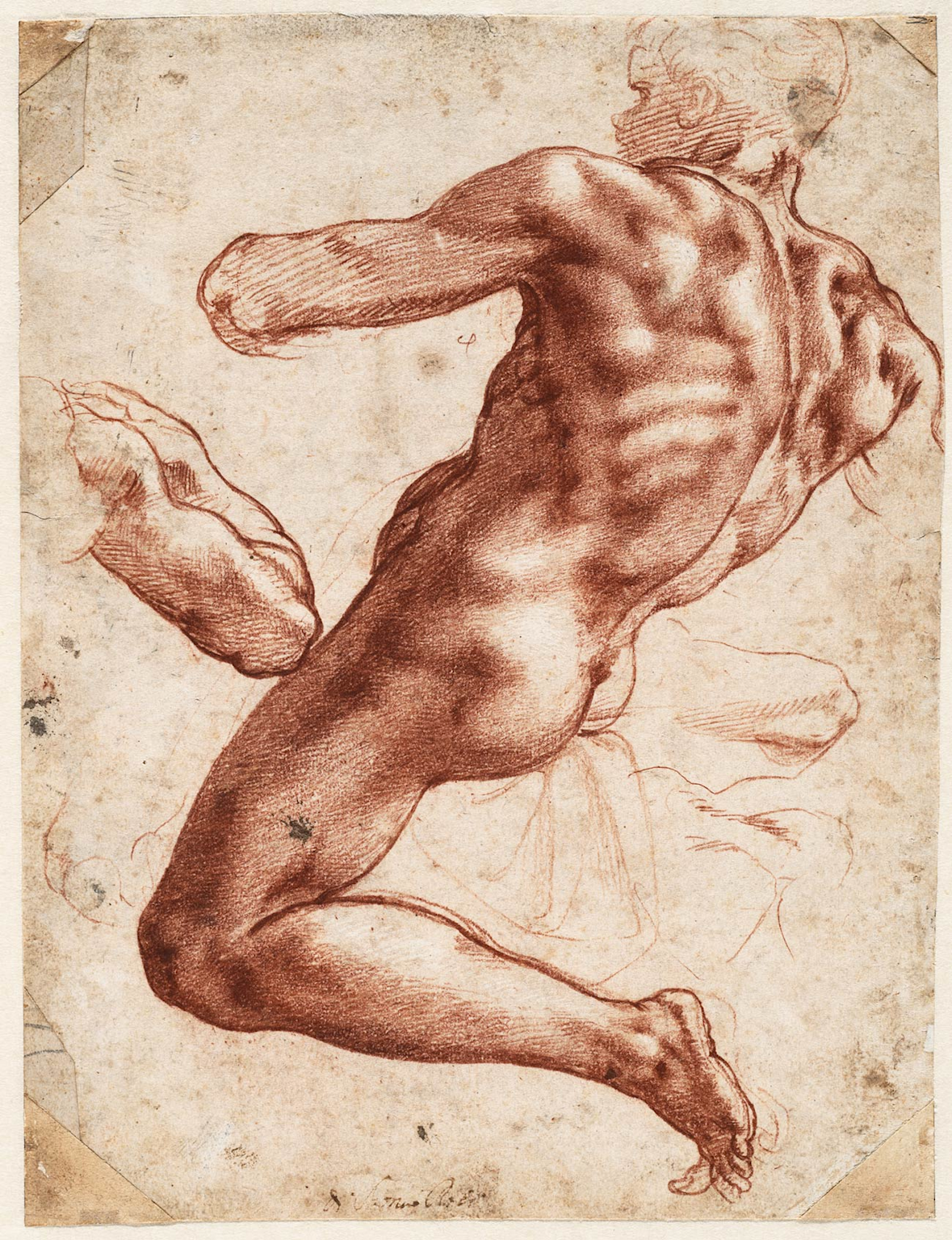
Michelangelo’s anatomical sketch highlights the foundational role of sketching in mastering proportion, form, and movement in art blogs.getty
Leonardo da Vinci’s anatomical sketches exemplify how preliminary drawings serve as the foundation for understanding complex forms and proportions. These studies demonstrate the meticulous planning that precedes any finished artwork, whether in drawing, painting, or sculpture.
The planning function of sketching extends beyond traditional fine arts. In animation and cartooning, character designers begin with basic geometric shapes—circles, ovals, and lines—to establish the fundamental structure before adding details, expressions, and personality. This approach ensures consistent proportions and makes it easier to replicate characters across multiple frames or poses.
Confidence in Lines and Hand-Eye Coordination
Regular sketching practice develops precise hand-eye coordination that benefits artists across all mediums. This neurological training involves the synchronization of visual perception with motor skills, creating muscle memory that translates into confident, controlled strokes regardless of the artistic tool being used.
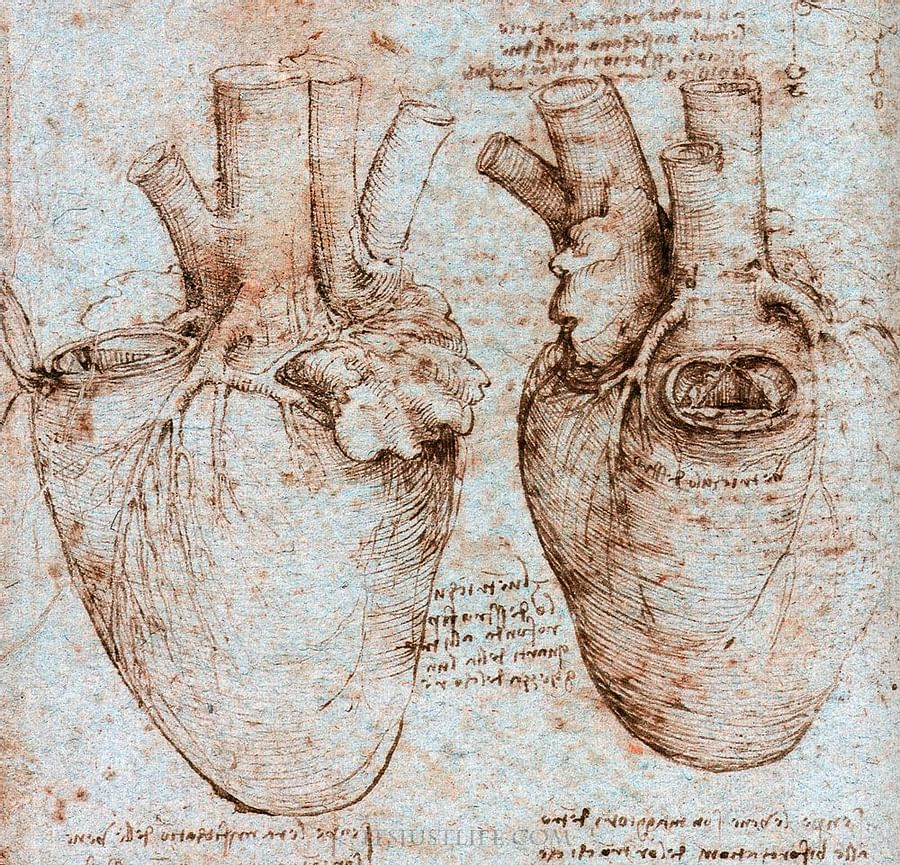
Leonardo da Vinci’s anatomical sketches of the human heart illustrating the foundational role of sketching in artistic and scientific understanding openculture
Master artists like Michelangelo understood that sketching was essential for developing technical proficiency. His preparatory drawings for the Sistine Chapel ceiling demonstrate how sketching builds the confidence needed to execute large-scale works. The repetitive nature of sketch practice trains artists to make deliberate, purposeful marks rather than tentative, scratchy lines.
This confidence extends to all artistic mediums. When working with watercolors, confident brushstrokes create clean, vibrant washes, while hesitant marks often result in muddy, overworked areas. In oil painting, the ability to place marks decisively allows artists to work more efficiently and achieve better color mixing directly on the canvas.
Problem-Solving Through Visual Experimentation
Sketching serves as a laboratory for artistic experimentation, allowing artists to test compositional arrangements, lighting scenarios, and formal relationships before committing to a final piece. This problem-solving aspect proves crucial across all artistic disciplines.
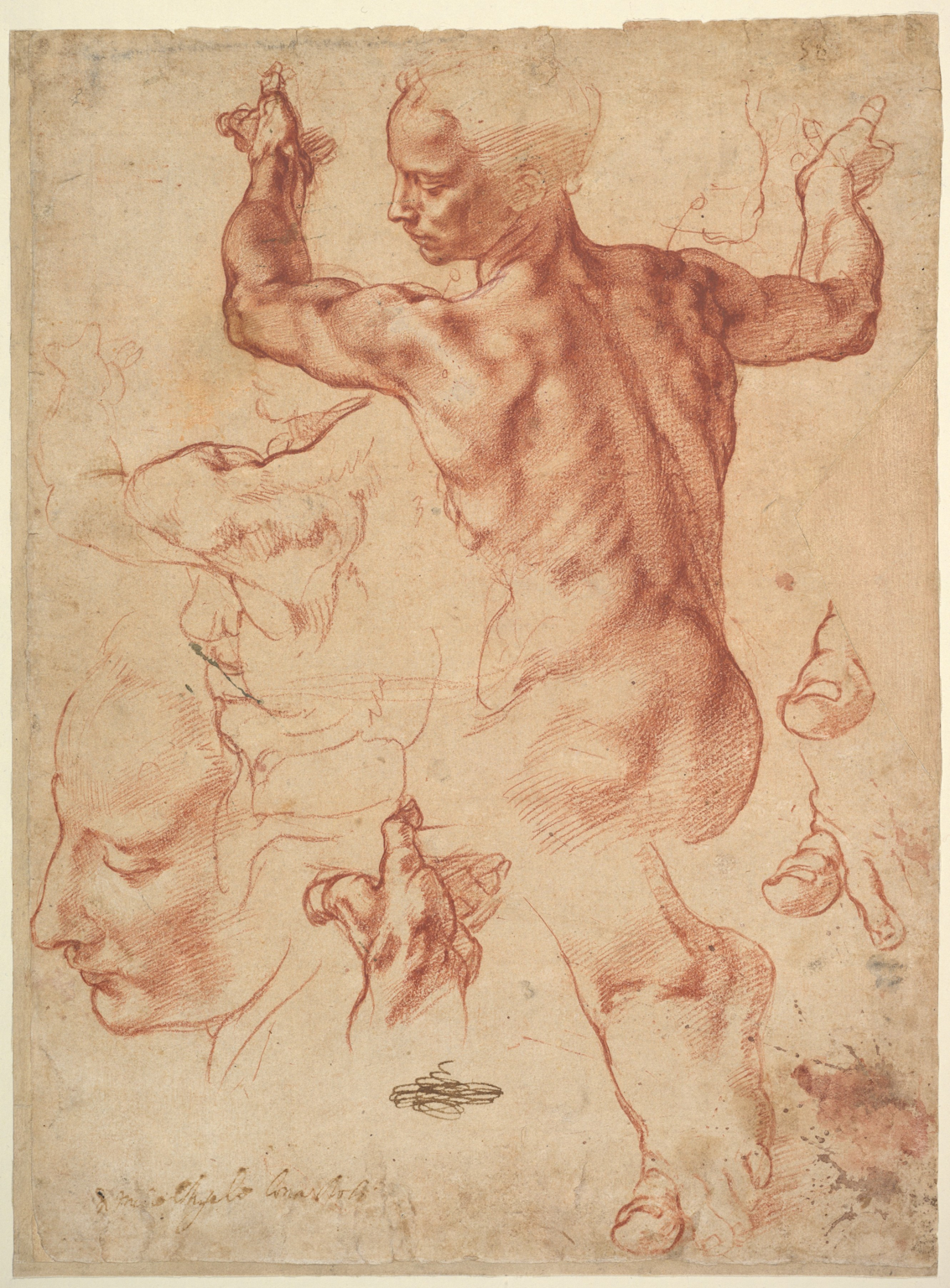
Michelangelo’s detailed sketch studies showcase foundational anatomy and form exploration essential to classical art and all creative mediums metmuseum
Artists use sketches to explore different approaches to light and shadow, experimenting with various lighting conditions to determine which creates the most dramatic or effective mood. Van Gogh, for instance, created numerous preparatory sketches to work out the complex compositions and dynamic brushwork that characterized his paintings.
In portraiture and figure work, sketching allows artists to experiment with different poses, expressions, and viewpoints. Caricature artists particularly rely on this experimental phase to identify which features to exaggerate for maximum effect while maintaining recognizability. Even in abstract work, initial sketches help artists explore relationships between shapes, lines, and compositional elements.youtube+1
Universal Skill Across All Mediums
The fundamental skills developed through sketching—observation, proportion, perspective, and mark-making—transfer seamlessly across every artistic medium. Whether an artist works in traditional materials like oils, acrylics, and pastels, or modern mediums like digital art and animation, the core principles remain constant.
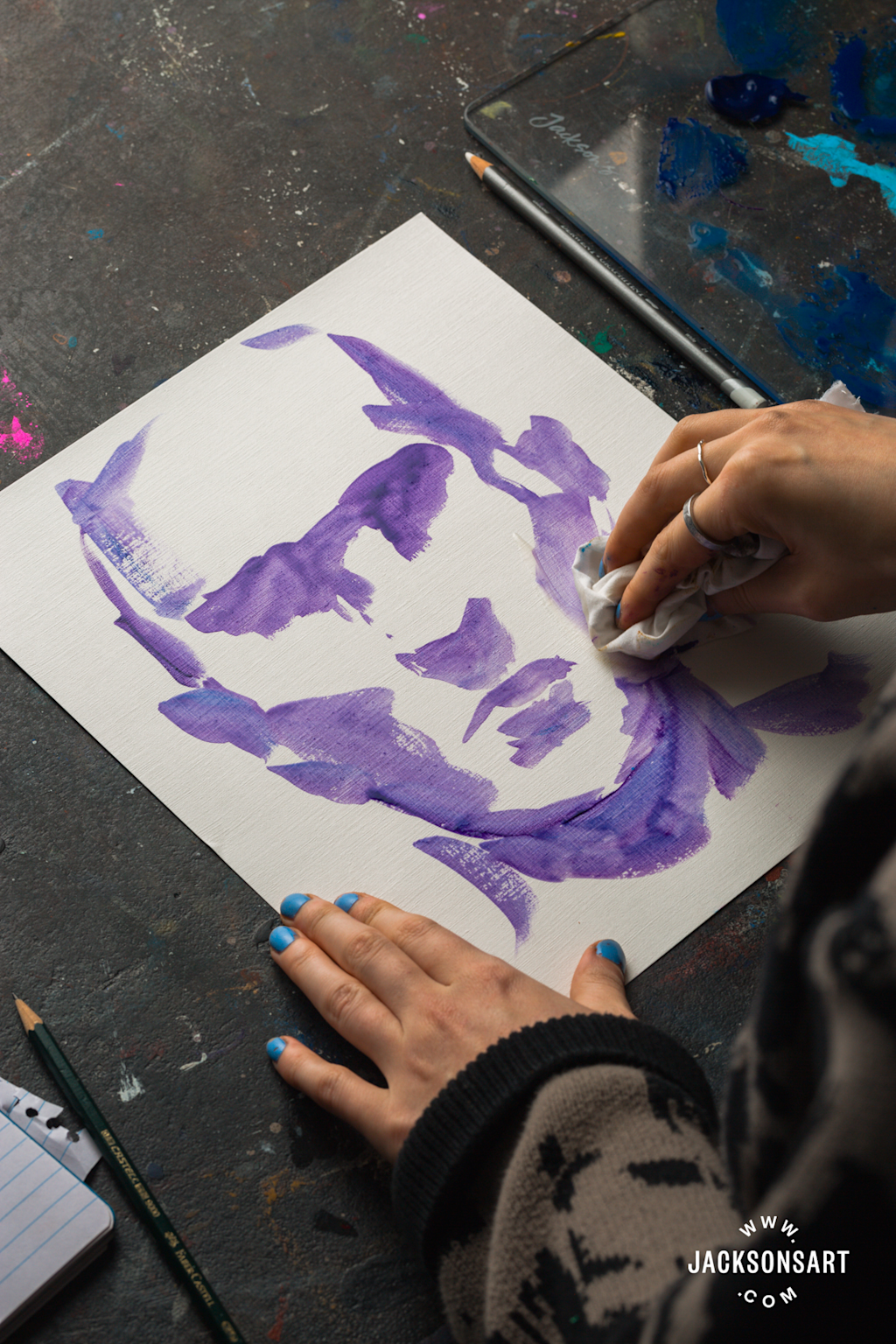
An artist working on a purple underpainting or sketch on canvas, demonstrating the foundational sketching process in painting.
Traditional Painting Mediums
In watercolor painting, the initial sketch serves multiple critical functions. Artists must plan their compositions carefully since watercolors are difficult to correct once applied. The sketch establishes the drawing, maps out areas to be masked or left white, and helps the artist visualize the layering process.
Oil painting traditionally begins with a detailed underpainting or sketch that establishes the composition, values, and basic forms. This foundation allows painters to focus on color relationships and surface effects in subsequent layers without worrying about fundamental structural issues.
Pastel work benefits enormously from preliminary sketches that establish proportions and basic value patterns. Since pastels can become overworked easily, having a clear plan helps artists work more efficiently and achieve better results.
Contemporary Applications
In animation and cartooning, sketching provides the structural foundation for character design and movement studies. Animators begin with basic geometric forms—what’s known as “construction drawing”—to establish consistent proportions and create characters that can be easily replicated and animated.
Even in digital art, despite the availability of unlimited undo functions, most professional artists still begin with rough sketches to establish their compositions and work out design problems before proceeding to detailed rendering.
Historical Validation from Master Artists
Throughout art history, the greatest artists have emphasized sketching as fundamental to their practice. Leonardo da Vinci filled thousands of pages with observational sketches, anatomical studies, and compositional experiments. His drawing techniques, including his characteristic cross-hatching and attention to light and shadow, formed the foundation for his revolutionary painting methods.
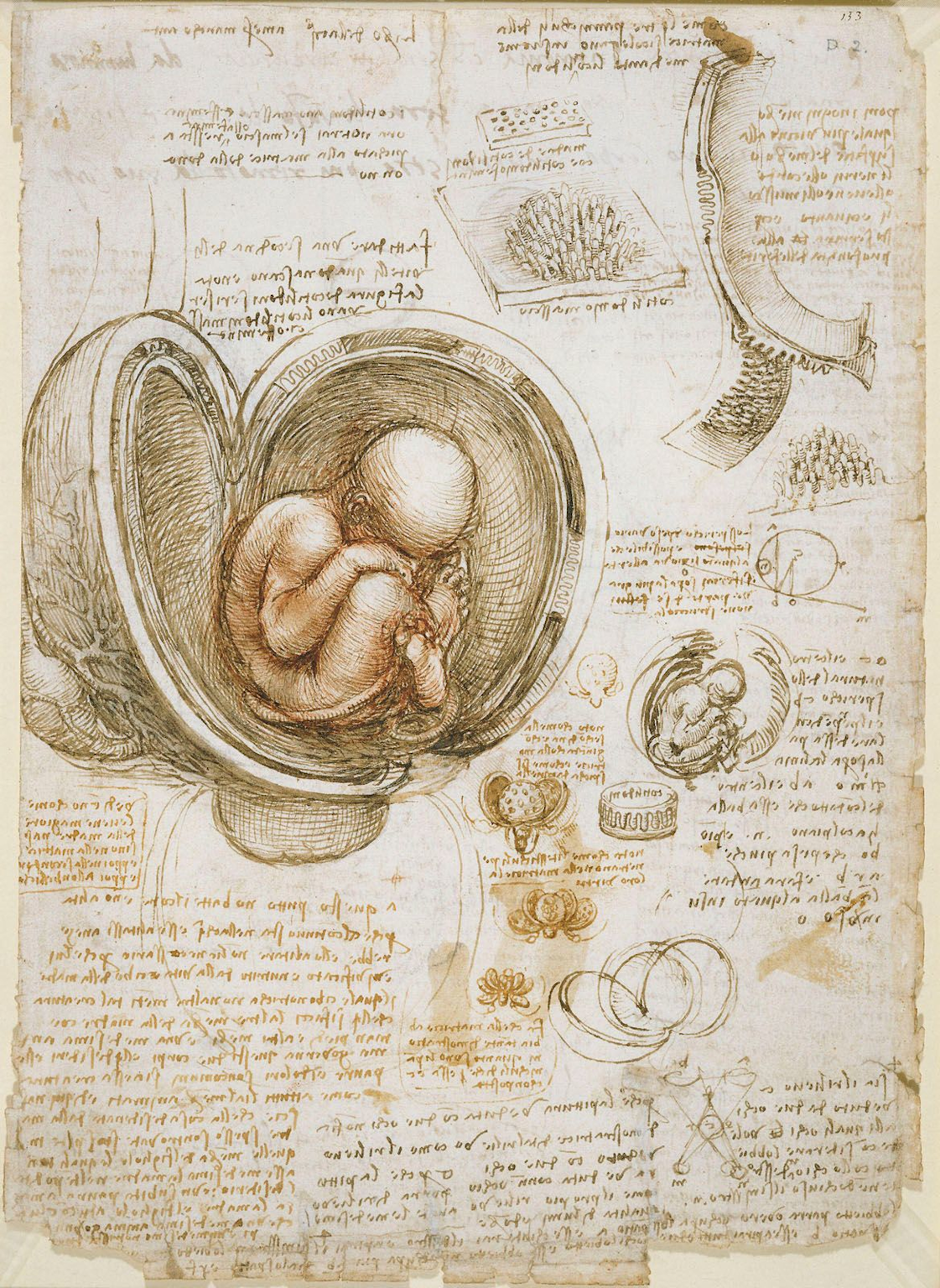
Leonardo da Vinci’s detailed anatomical sketch of a fetus in the womb illustrating the foundational role of sketching in art and science britannica
Michelangelo created extensive preparatory drawings for his sculptures and frescoes, using sketching to work out complex anatomical relationships and compositional arrangements. His surviving sketches reveal how he used drawing as a thinking tool, exploring different approaches before committing to the final work.
Rembrandt was renowned for his ink and chalk sketches, which captured gesture and expression with remarkable economy of means. His drawing practice informed his painting technique, contributing to his mastery of light, shadow, and human expression.
Even modern masters like Picasso and Van Gogh relied heavily on preliminary sketches despite their revolutionary approaches to painting. Van Gogh’s drawings demonstrate how sketching helped him develop his distinctive linear style and compositional sense.
Practical Benefits Across Artistic Disciplines
Observational Skills Development
Sketching trains artists to see more accurately, breaking down complex subjects into manageable visual elements. This enhanced perception benefits artists regardless of their chosen medium, whether they’re painting landscapes en plein air or creating detailed botanical illustrations.
Economic Efficiency
Working out compositions and design problems through sketching saves both time and materials in final works. Artists can experiment freely with inexpensive paper and pencils rather than costly canvas and paint.
Skill Transfer
The hand-eye coordination and observational skills developed through sketching enhance performance in all other artistic activities, from precise detail work to broad gestural painting.
Creative Confidence
Regular sketching practice builds the visual vocabulary and technical confidence that allows artists to tackle more ambitious projects across any medium.
Conclusion
Sketching represents far more than simple preliminary work—it constitutes the essential foundation upon which all visual arts are built. From the anatomical studies of Renaissance masters to the construction drawings of modern animators, sketching provides the crucial planning, problem-solving, and skill development that enables artistic excellence across every medium.
Whether working in traditional materials like oils and watercolors or contemporary mediums like digital art and animation, artists who master sketching gain access to a universal toolset that enhances every aspect of their creative practice. The confidence, observational skills, and technical proficiency developed through regular sketching practice create the solid foundation necessary for artistic growth and creative expression in any chosen medium.
The evidence spans centuries and crosses all cultural boundaries: sketching truly is the cornerstone skill that supports and strengthens every form of visual art, making it an indispensable element in any artist’s development and ongoing practice.