
The studio is ready. Your supplies are laid out. The canvas is blank and waiting. Yet something holds you back—a hesitation, a doubt, a feeling that perhaps today just isn’t the right day to paint. If this sounds familiar, you’re not alone. Creative block before painting is one of the most common struggles artists face, and the good news is that it’s entirely overcomeable.
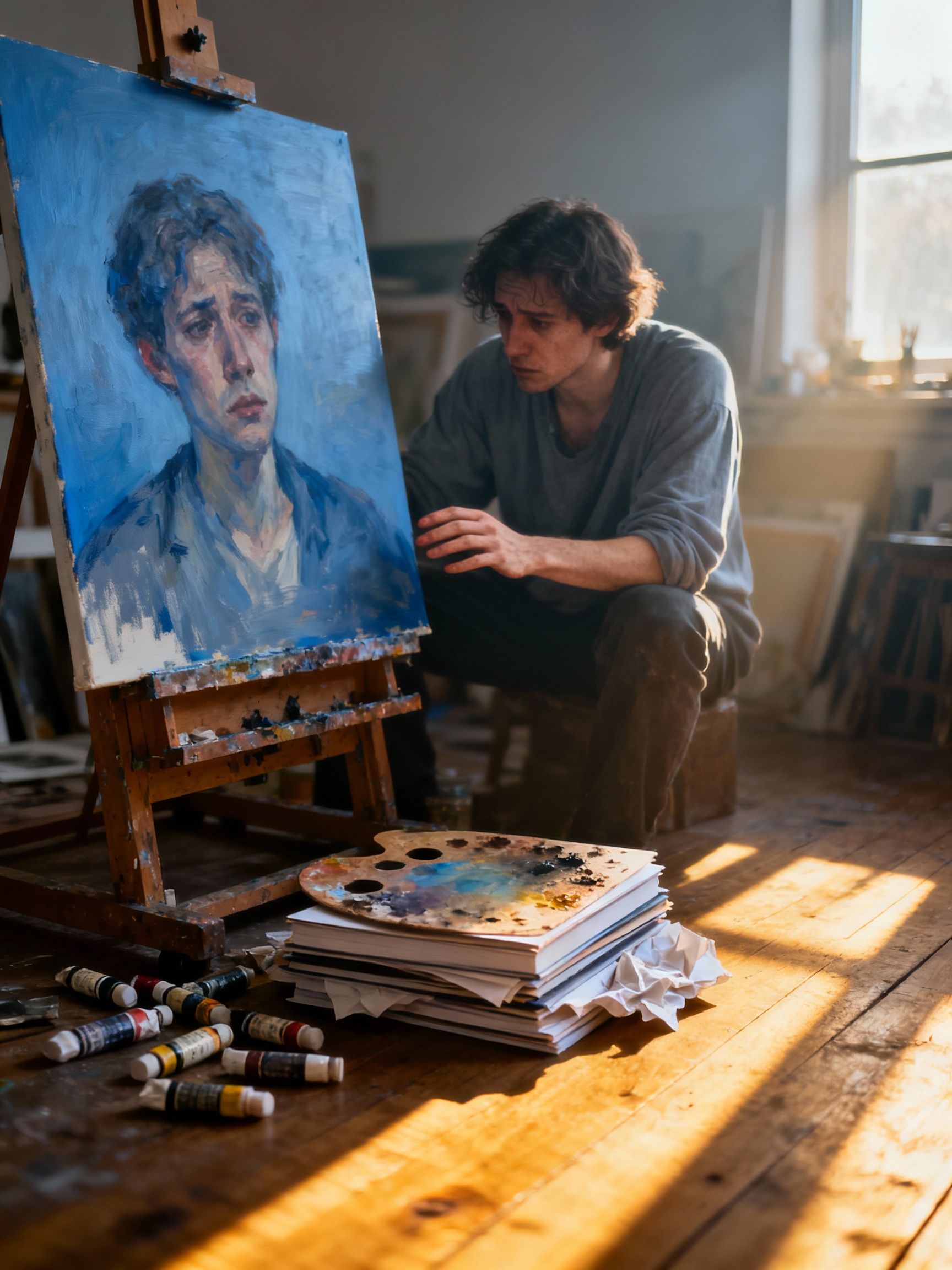
The moment of hesitation before painting
Understanding What’s Really Happening
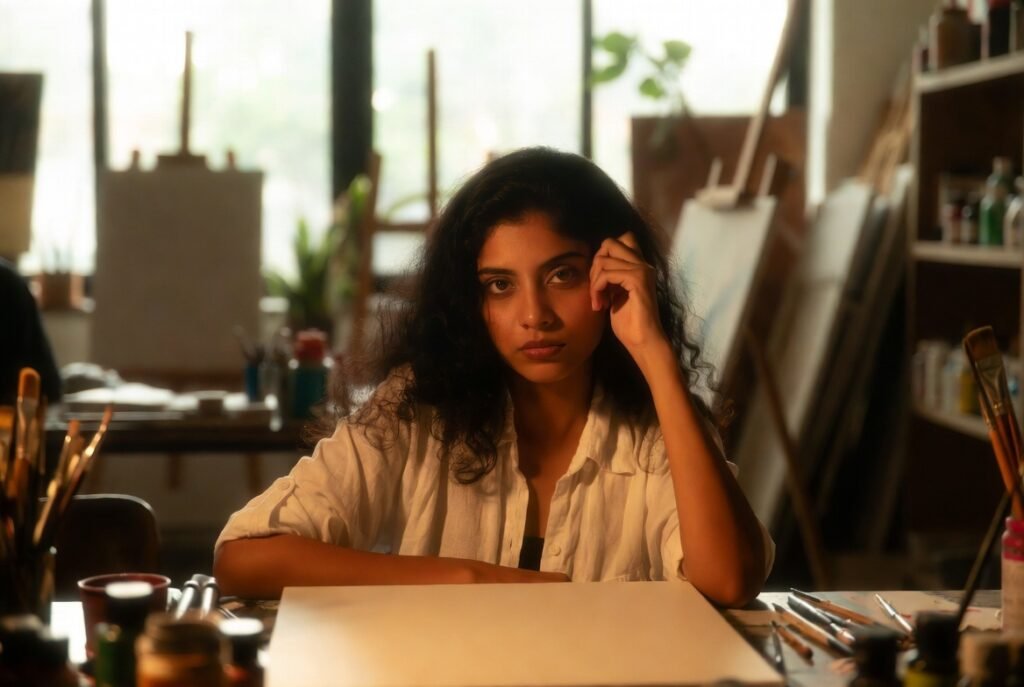
When you find yourself stuck before painting, it’s important to recognize that this isn’t a lack of talent or skill. Rather, what you’re experiencing is often a combination of fear, perfectionism, and the psychological resistance to starting. Research into procrastination reveals that anxiety and task avoidance are closely linked, and what feels like lack of motivation is frequently driven by deeper concerns about the outcome.louisedemasi+2
The moment before you begin painting is psychologically significant. It’s when your brain must shift from thinking about the work to actually doing the work. This transition requires courage because the moment you commit to the canvas, your work becomes real and subject to judgment—both from yourself and potentially others.
The Root Causes Behind Your Resistance
Perfectionism is perhaps the most insidious form of creative block. The inner voice that demands museum-quality work on the first stroke is actually a protective mechanism—it’s preventing you from failing by convincing you not to try. But here’s the paradox: perfectionism doesn’t elevate your work; it paralyzes you. When you recognize that your work doesn’t need to be perfect to be worthwhile, the pressure diminishes.louisedemasi+3
Fear of failure masks itself in many ways. Sometimes it appears as excessive preparation or endless procrastination on setup tasks. Sometimes it whispers that today you’re just not inspired enough. But the secret that experienced artists know is that momentum creates motivation far more reliably than inspiration creates momentum. Once you begin, the act of painting typically rekindles the drive to continue.painterskeys+2
Other common blocks include comparison with other artists (especially on social media), self-doubt about your abilities, and even decision paralysis about what to paint. All of these are mental obstacles, not evidence that you shouldn’t paint today.
Practical Strategies to Break Through
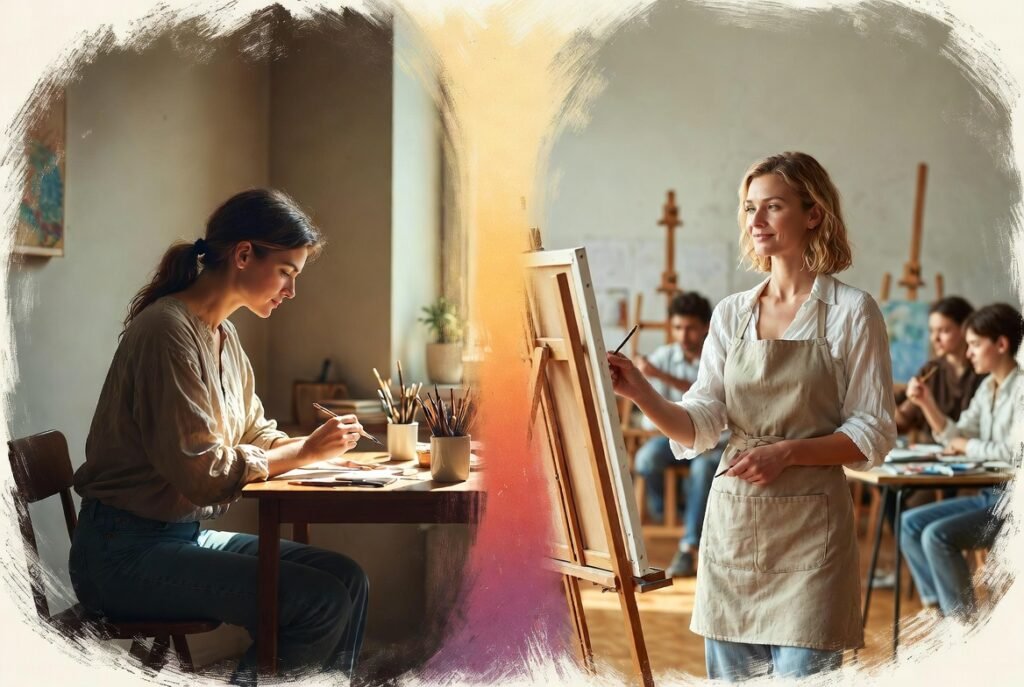
1. Start Absurdly Small
One of the most powerful antidotes to creative block is to remove the stakes from your first few minutes. Commit to painting for just five minutes—not five minutes to create something beautiful, but five minutes to simply engage with your materials. Paint a simple shape. Mix colors. Make marks on paper. This isn’t “real” painting; it’s permission to warm up without judgment.emilywassell
Many artists report that once they’ve broken the initial resistance and started making marks, the motivation returns naturally. The hardest part is always starting; everything after that flows more easily.painterskeys
2. Warm Up Your Hands and Mind
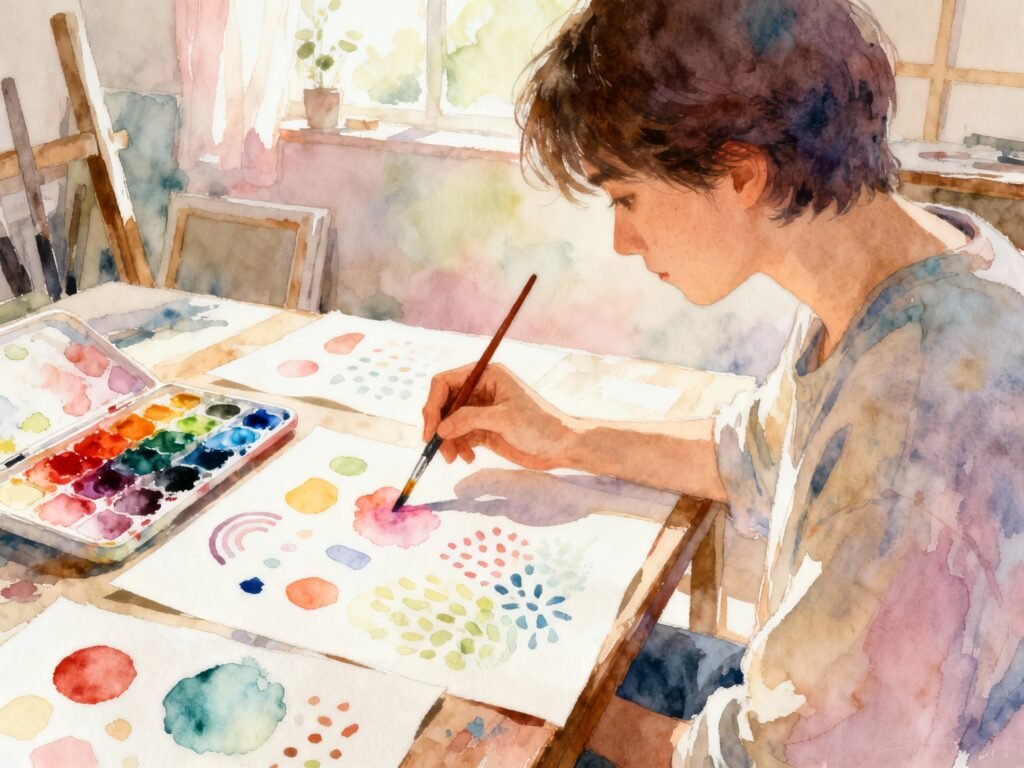
Physical warm-up exercises serve a dual purpose. They prepare your fine motor skills and coordination, but more importantly, they give your brain time to shift gears from daily thinking to creative thinking. Consider a 5-15 minute warm-up sequence before your main work:stacyspanglerart+1
- Paint simple color rectangles or blocks
- Practice brush strokes and control
- Create repetitive patterns or marks
- Do quick gestural sketches
- Paint abstract shapes with different colors
These activities are low-pressure by nature—there’s no “wrong” way to paint a brushstroke—and they reconnect you with the physical pleasure of moving your brush and watching colors mix.
3. Give Yourself Permission to Make “Bad” Art
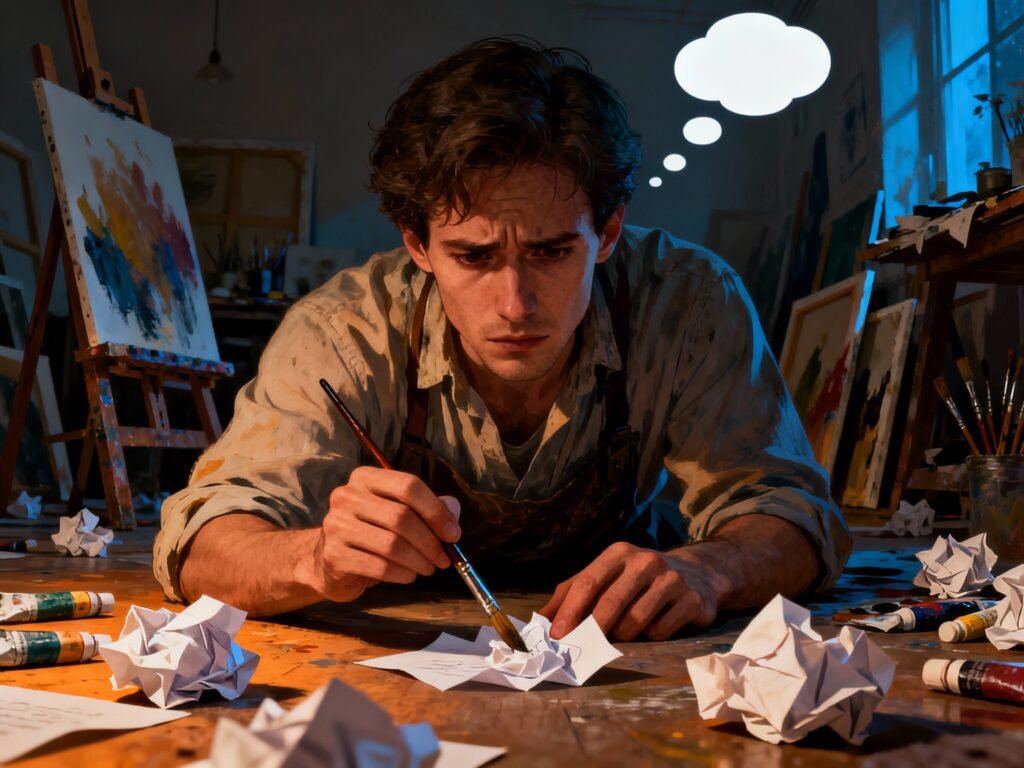
This is revolutionary advice for many artists, yet it’s one of the most liberating. Frame your session explicitly as exploration time, not performance time. The goal isn’t to create a masterpiece; the goal is to create anything. Expect your work to be messy, unusual, or imperfect. That expectation removes the weight of judgment.louisedemasi+1
Every artist must accept that imperfection is not the enemy of progress—it’s the pathway to it. The artists whose work you admire have created hundreds of “bad” paintings along the way. Their skill developed through quantity, not through mystical inspiration.lachri
4. Change Your Environment or Creative Space

Sometimes a physical reset can break psychological patterns. Rearrange your studio, work in a different location, or simply clear your desk of distractions. A fresh physical environment signals to your brain that something new is happening, which can disrupt stuck mental patterns.louisedemasi
Alternatively, remove unnecessary friction from your setup. Have your most-used supplies immediately accessible. Keep dedicated space for your work. Organize your materials so you’re not spending energy hunting for what you need.
5. Use Creative Prompts or Constraints

When faced with infinite possibilities, your brain can freeze. Constraints actually enhance creativity by providing structure. Consider these approaches:lachri+1
- Keep a list of subjects or color combinations to paint
- Use painting prompts (the “jar method” of random elements works well)
- Follow a tutorial in a style unfamiliar to you
- Set a time limit for the session (using the Pomodoro technique)
- Paint the same subject repeatedly but differently
By removing the decision of “what should I paint?”, you preserve your creative energy for the actual painting.
6. Reconnect with Your Materials
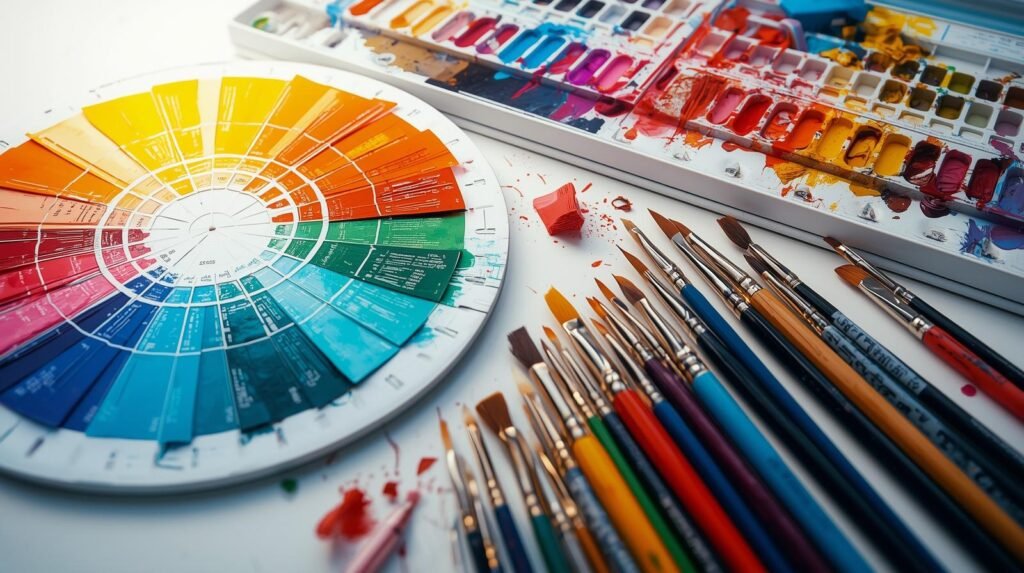
Often, creative blocks dissolve when you physically engage with what you love about painting. Take time to feel your brushes, watch how your paint moves, observe colors mixing. This sensory engagement with materials can reignite the passion that feels dormant.triciahoodart+1
Try experimenting with colors or techniques you’ve avoided. Paint with materials you don’t typically use. This novelty can spark the sense of discovery and play that gets buried under expectations.
7. Create with Others or Study Others’ Process
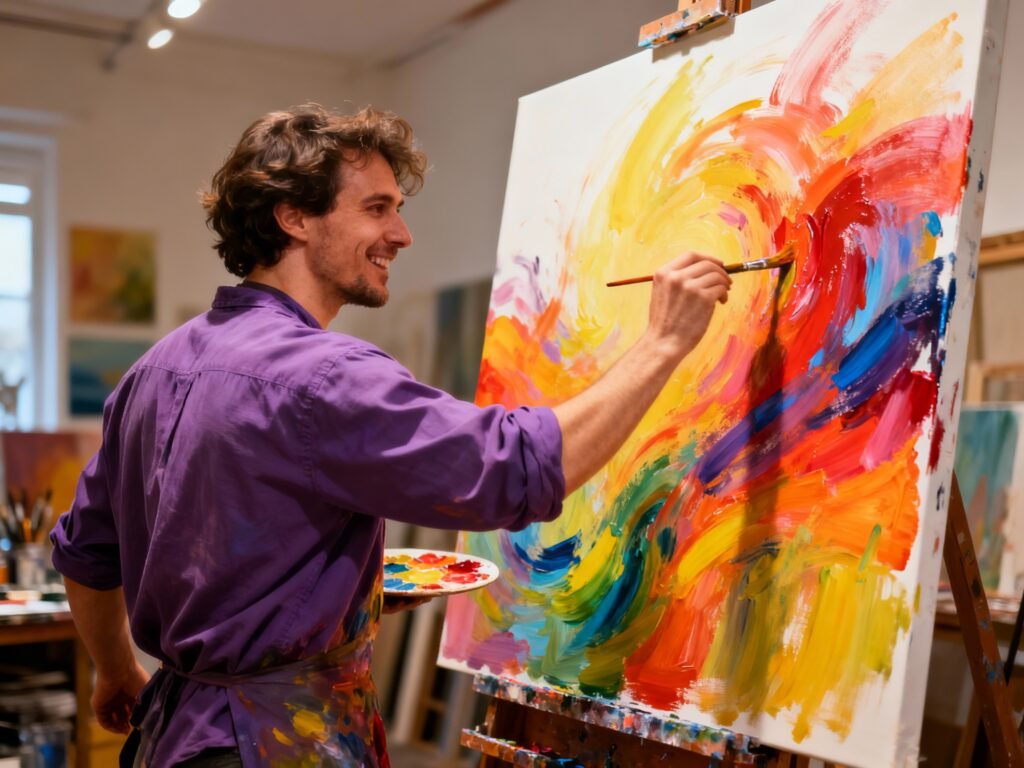
Watching another artist work—whether in person, through videos, or in tutorials—can be remarkably motivating. Seeing how another artist handles challenges, makes decisions, and moves through their process gives you permission to do the same. Collaboration with other artists can generate new ideas and inject enthusiastic energy into your work.emilywassell
What NOT to Do
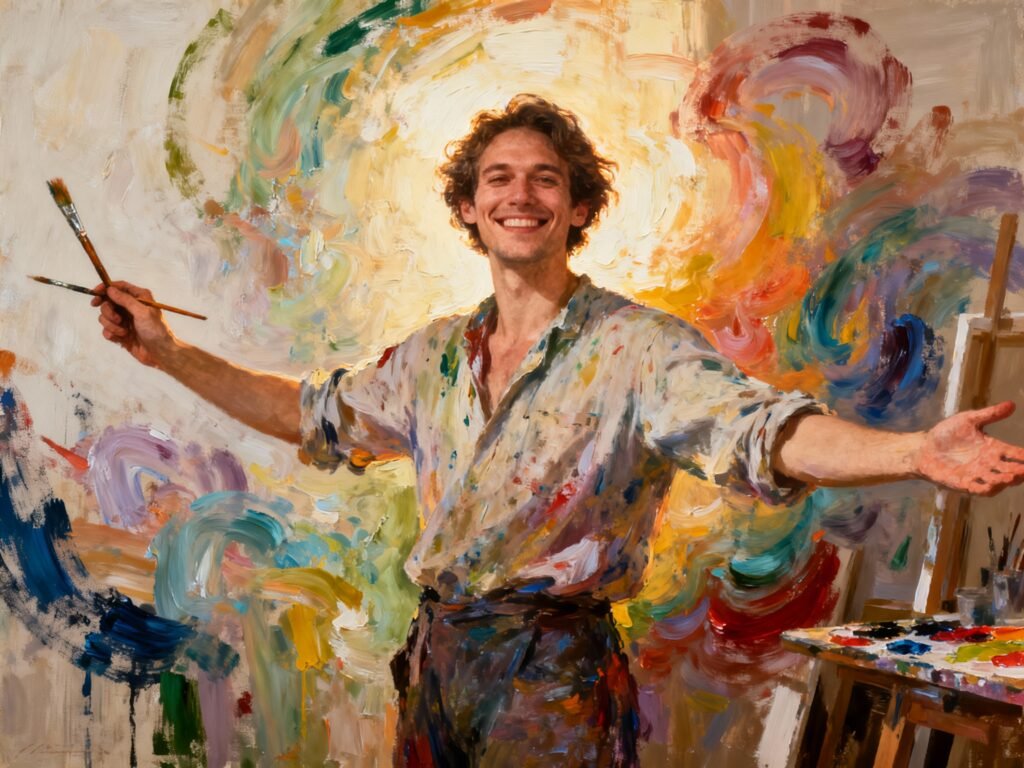
Avoid trying to force yourself into creativity through guilt or shame. While some discipline in scheduling painting time is helpful, approaching it as punishment will only strengthen your resistance to it.
Don’t compare your middle to someone else’s finished piece. Every artwork you see that moves you represents hours of unseen work, struggle, and iteration behind it. Your day-one sketches don’t need to compete with someone’s curated portfolio.
Avoid making every session about creating portfolio-worthy work. This is unsustainable and creates the perfectionism trap. Most of your painting time should be devoted to play, learning, and experimentation.
The Role of Rest and Recovery
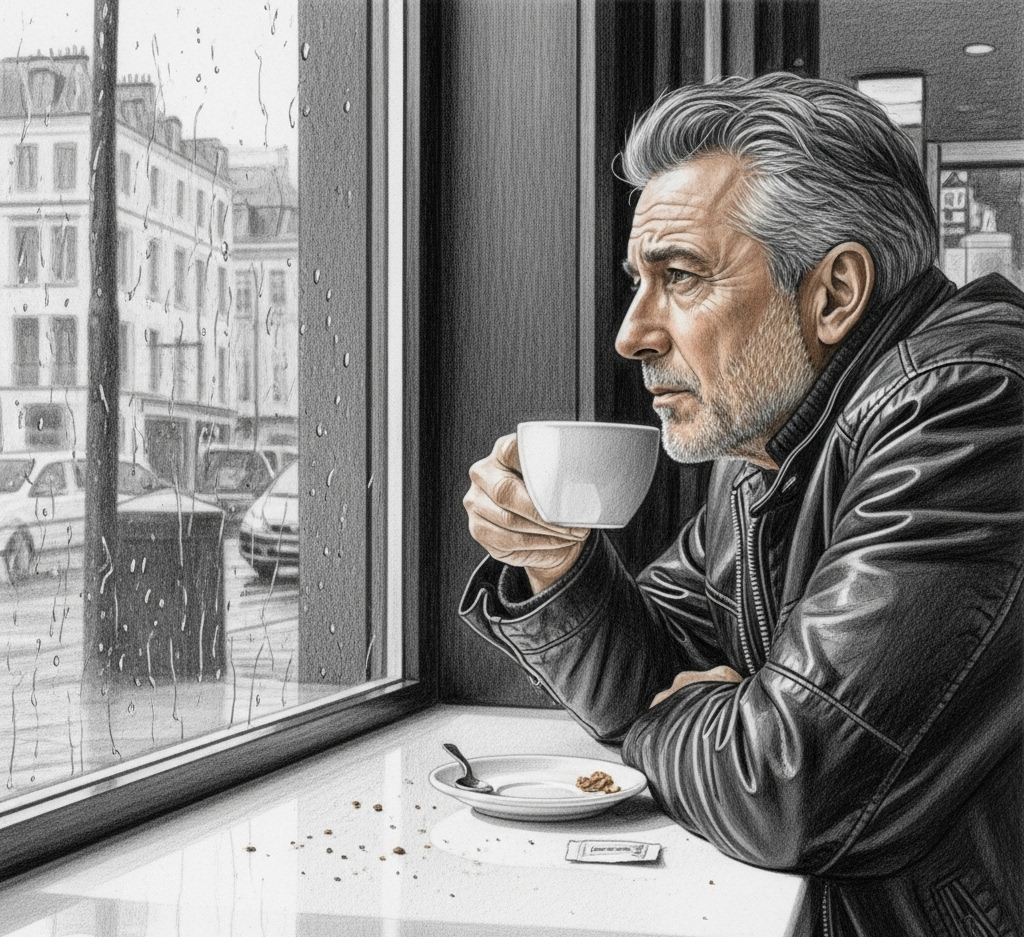
Here’s something counterintuitive: sometimes the best thing you can do for your painting is to not paint. Creative energy operates in waves. If you’re feeling persistently unmotivated, it may be worth examining whether you’re:louisedemasi
- Exhausted from other life demands
- Experiencing stress or emotional difficulty unrelated to art
- Pushing too hard toward an unrealistic goal
- Painting because you think you should, not because you want to
Rest itself is productive. Your brain processes and consolidates creative skills during downtime. If you’re feeling genuine burnout, taking a break and returning to other interests might be exactly what you need to come back to painting with renewed energy.emilywassell
The Discipline of Showing Up
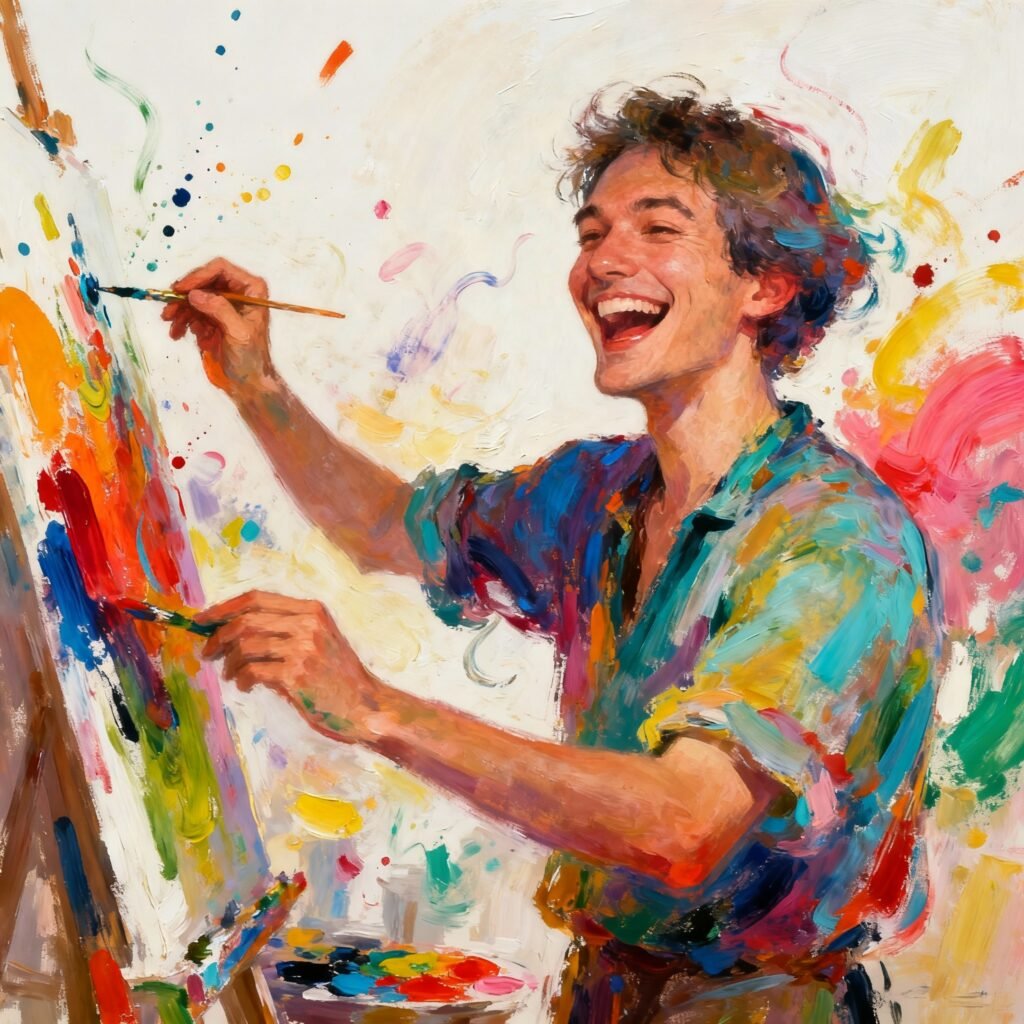
While creativity does require kindness and permission, it also requires commitment to the practice regardless of feelings. Many successful artists distinguish between “feeling inspired” and “doing the work.” The professionals show up whether they feel inspired or not, trusting that inspiration often comes after you begin, not before.emilywassell
Schedule your painting time like any important appointment. Mark it in your calendar. Protect it from other demands. Then, on the day, sit down and begin—even if you feel resistant. Give yourself permission to paint badly, paint simply, or paint just for the process. Often within 10-20 minutes, resistance dissolves and flow returns.
Moving Forward
The next time you’re stuck before painting, remember this: you don’t need to feel ready to begin painting. You begin painting to become ready. That moment of hesitation is not a sign to stop; it’s an invitation to push through.
Start small. Warm up your hands. Lower your expectations. Set a timer. Make a mess. Connect with your materials. Focus on the process, not the outcome. And most importantly, trust that the motivation you’re waiting for will arrive after you’ve started, not before.
Your stick moments are temporary. They’re not evidence of insufficient talent or passion. They’re simply part of being a creative person navigating the unique vulnerability of bringing vision into reality. Every artist you admire has sat exactly where you’re sitting now, hesitating before the blank canvas.
The difference wasn’t that they felt more ready. The difference was that they painted anyway.