
Overview
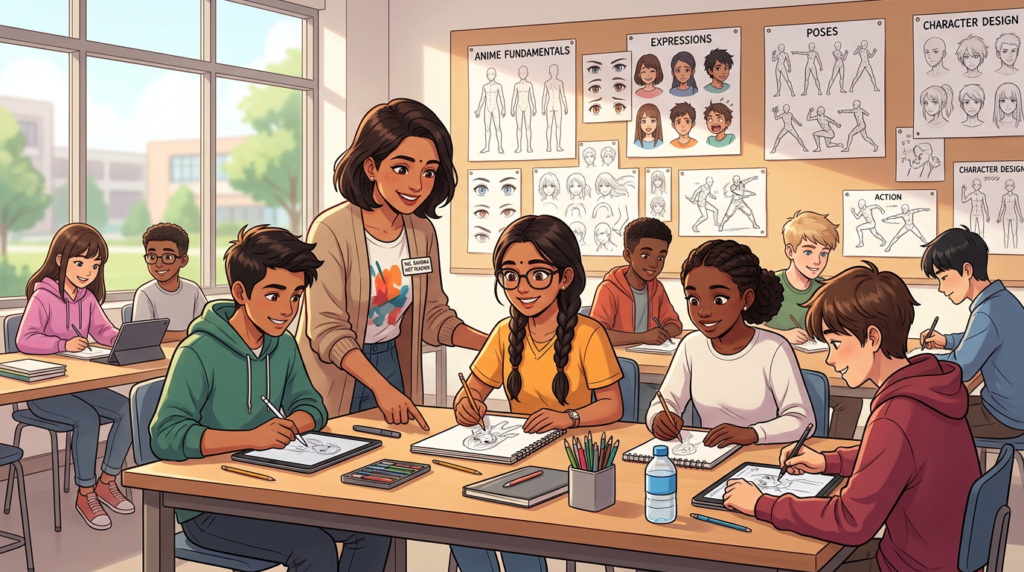
Anime, once seen mainly as entertainment, has grown into a powerful influence on global visual culture, contemporary art, and classroom practice. Its bold style, expressive characters, and rich storytelling now shape how young people see and create art, making it highly relevant for modern art education. This report explores what anime is, how it developed, why students connect with it so strongly, and how educators can use it thoughtfully in visual arts.
What Is Anime?
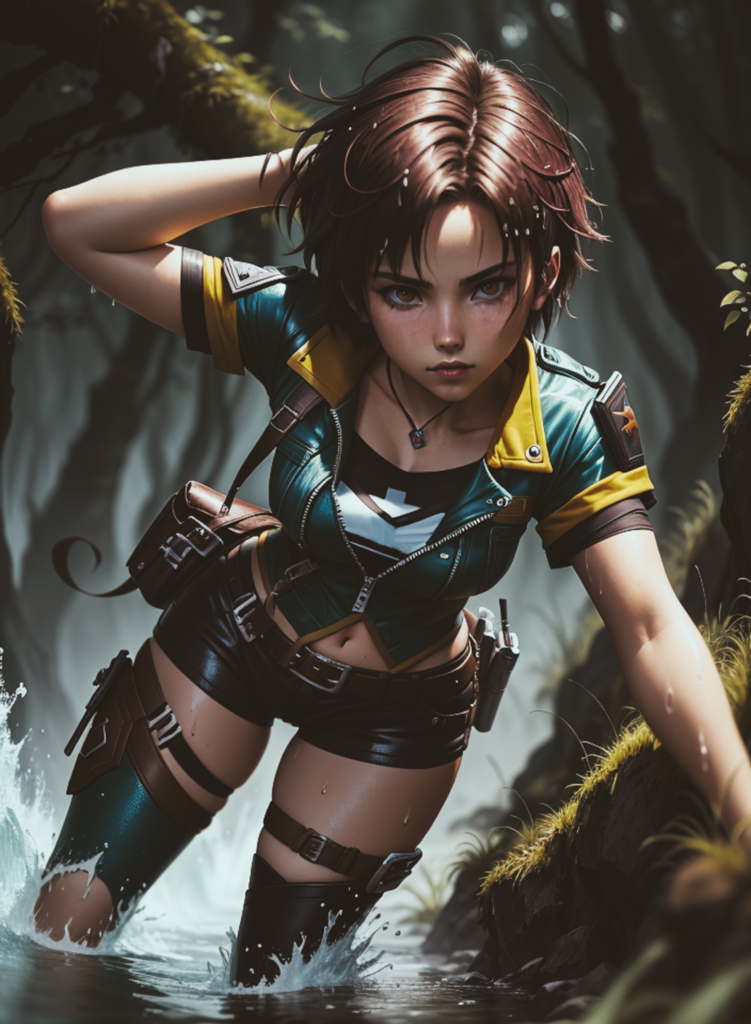
Outside Japan, the term “anime” usually refers to Japanese animated films, TV series, and web animations, often adapted from manga (Japanese comics). Anime is characterized by stylized character design, clear silhouettes, dynamic poses, and cinematic framing that emphasize emotion and movement. These visual choices are not random; they are part of a complex art form that combines drawing, design, cinematography, and storytelling.japanhousela+1
Brief History and Global Impact
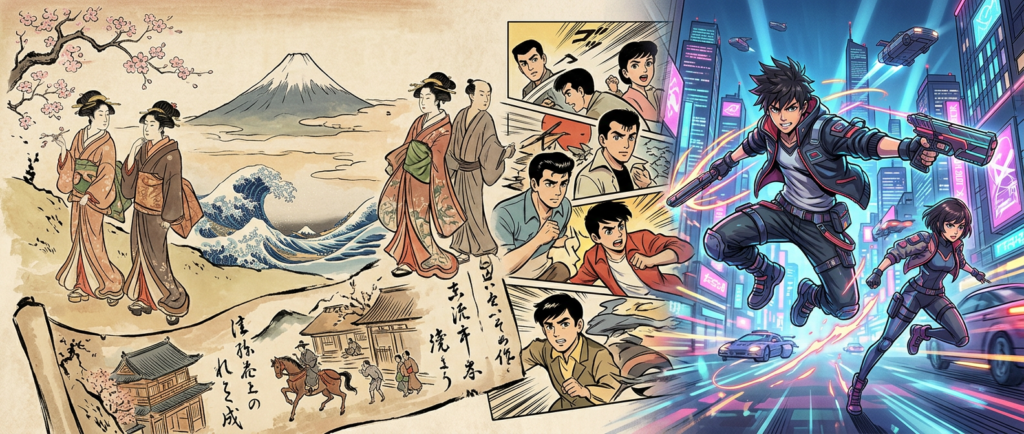
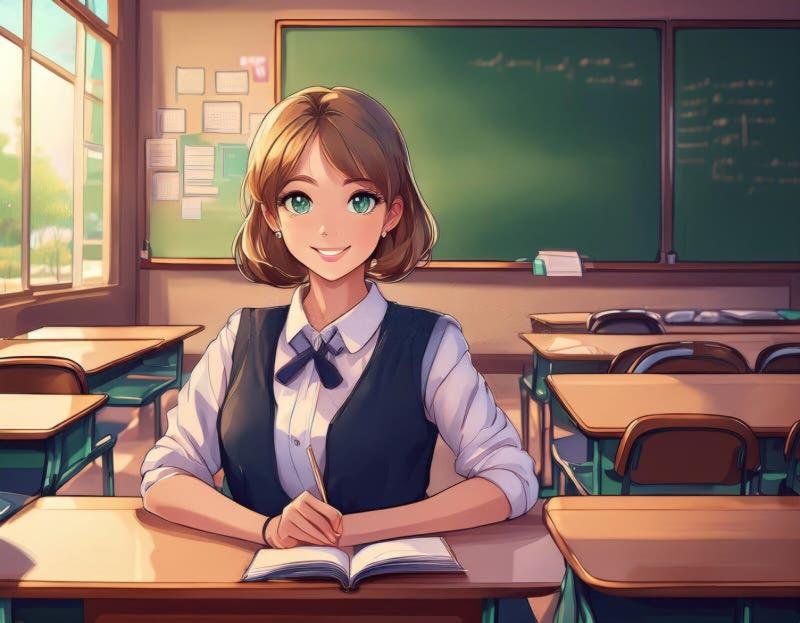
Anime and manga have roots in older Japanese visual traditions such as scroll paintings (emaki) and ukiyo-e woodblock prints, which combined images and text in sequential scenes. The modern form of manga emerged in the eighteenth and nineteenth centuries and expanded rapidly after the Second World War, drawing on both Japanese traditions and American comics. Anime as an industry dates back to early animation experiments around 1917, but it became mainstream in Japan in the 1980s with series such as Dragon Ball, Gundam, and Macross.artdex+1
By the 1980s and 1990s, titles like Akira, Sailor Moon, and Dragon Ball helped anime break into global popular culture with their distinctive visuals and emotionally intense stories. These works influenced Western comics, animation, film, fashion, and design, helping to normalize anime-inspired imagery far beyond Japan. Today anime characters and aesthetics appear in everything from advertising to fine art exhibitions, reflecting their reach across audiences and industries.wab+2
Anime as a Legitimate Art Form
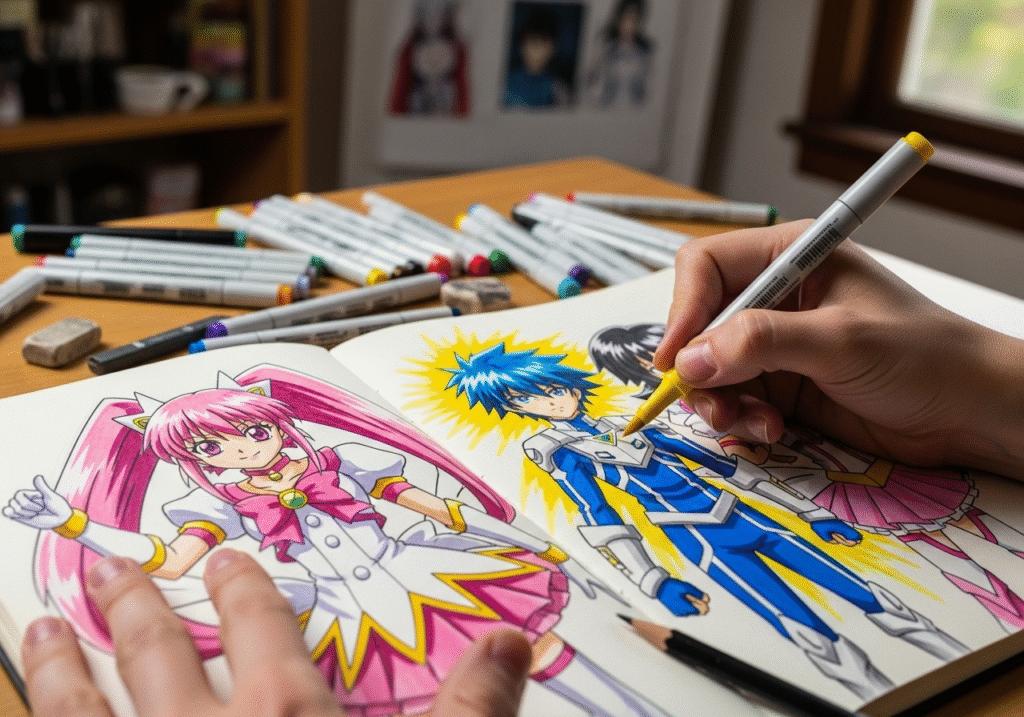
Scholars describe anime as a complex art form that includes varied themes, styles, and cultural references rather than a single simple “cartoon style.” Anime integrates drawing, color design, layout, editing, sound, and performance to create unified works that can range from light comedy to experimental, philosophical cinema. Major directors such as Hayao Miyazaki have received prestigious awards, helping to frame anime as serious art rather than just children’s entertainment.ijritcc+1
Contemporary artists have also drawn directly on anime and manga, blurring the line between “high” art and pop culture. Takashi Murakami’s “Superflat” movement, for example, uses anime-influenced characters and intense color while referencing older Japanese art traditions and post-war culture, and has been exhibited in major museums. These developments support the idea that anime is not only a youth fad but an important part of contemporary visual art history and theory.artdex+1
Why Students Love Anime
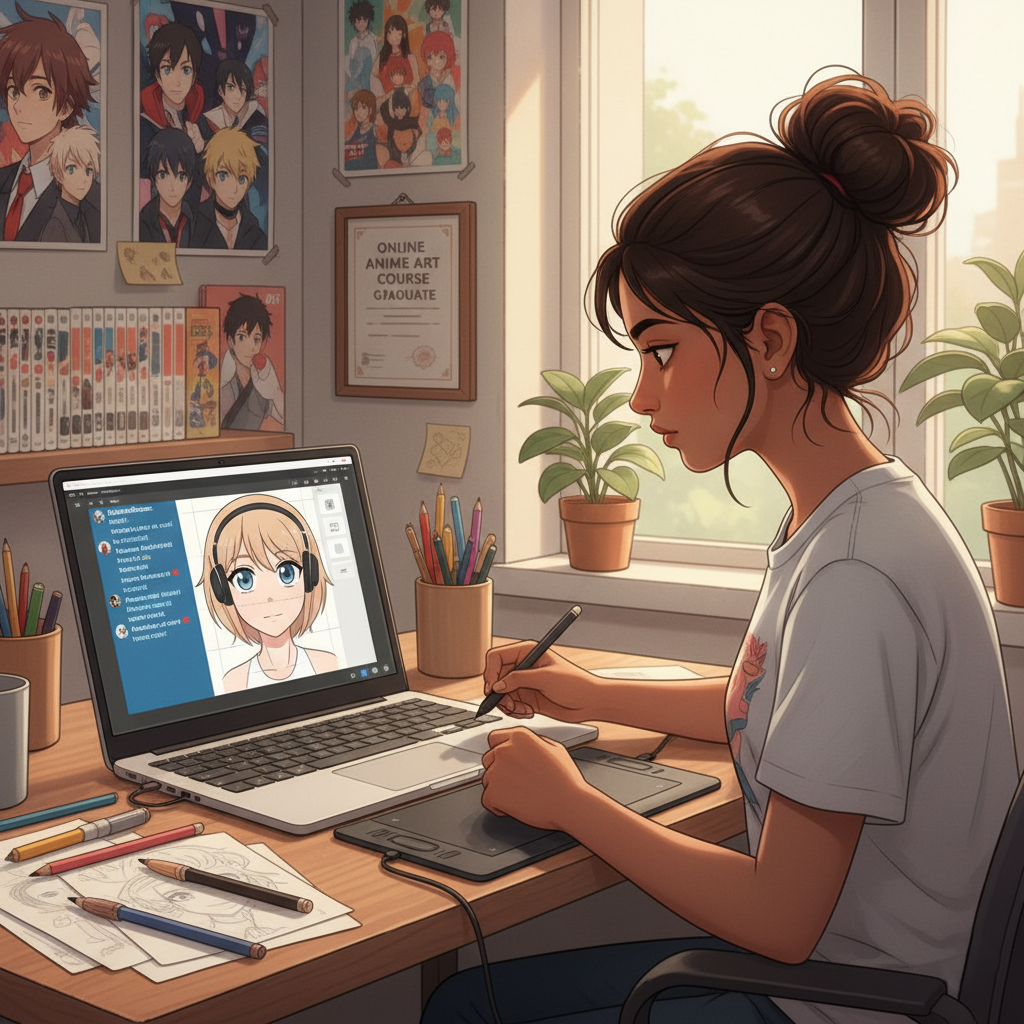
For many young people around the world, anime and manga are their first deep connection with visual storytelling. Online platforms, fan communities, and streaming services make anime easily accessible, and students quickly recognize its stylized eyes, hair, and dramatic expressions. Because of this familiarity, anime characters often feel more relatable than traditional academic art examples, helping reluctant or anxious learners feel at ease when they draw.educationalvoice+3
Research on anime culture suggests that fans do not only consume content; they often become active creators who draw characters, design costumes, and write stories. Participation in anime communities and events such as Comic Con has been linked to increased interest in art, design, and creative careers among young people. This enthusiasm gives art educators a natural entry point for teaching drawing, composition, and narrative through a style students already care about.spotlightstarsartsschool+2
Cognitive and Emotional Benefits in Art Education

Recent academic work argues that integrating anime into visual arts curricula can strengthen students’ visual and spatial skills. Anime exposes learners to varied character proportions, camera angles, and background designs, which helps them understand perspective, composition, and color relationships more deeply. Studies indicate that students who actively engage with anime imagery can develop better spatial reasoning, which supports drawing, sculpture, and other forms of visual construction.pressbooks.uiowa
Anime’s focus on long-form storytelling and character development also supports narrative comprehension and creative thinking. Following complex plots and emotional arcs trains students to analyze motivation, conflict, and resolution, which they can then apply when planning storyboards, comics, or illustration series. Educators who build projects around designing characters and worlds report gains in critical thinking and problem-solving as students make decisions about design, personality, and story consistency.spotlightstarsartsschool+1
Emotional themes such as friendship, resilience, loss, and personal growth are common in anime and can deepen learners’ empathy and self-awareness. When students analyze characters’ emotional journeys, they practice reading nonverbal cues and reflecting on feelings, which can feed into more expressive and meaningful artwork. Programs that frame anime drawing within mindfulness and social-emotional learning report that students experience focus, relaxation, and emotional resilience as part of their creative practice.facebook+2
Cultural and Interdisciplinary Learning

Using anime in the art classroom naturally opens discussions about Japanese language, folklore, and traditional arts that underpin many series. Lessons that connect anime imagery with cultural topics—such as festivals, historical eras, or mythological creatures—help students see art as part of a broader cultural system. Research on anime fandom notes that exposure to anime content can spark interest in learning Japanese and exploring other academic fields such as science and cultural studies.atlantis-press+2
Events like Comic Con and anime clubs can also build social skills and confidence by giving young people spaces to share work, collaborate, and receive feedback. Educators who integrate anime into STEAM programs highlight links with technology, physics of motion, and digital tools, showing students how art connects with science and engineering concepts. This interdisciplinary potential makes anime a useful gateway for project-based learning beyond the traditional art period.atlantis-press+1
Digital Tools and Anime-Inspired Workflows
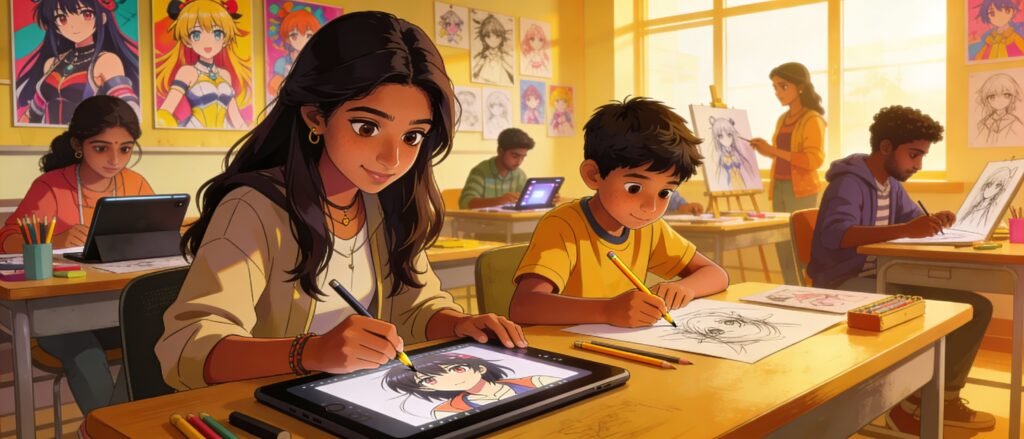
Anime-inspired art today is closely linked with digital media, including drawing tablets, animation software, and online platforms. Many emerging trends mix traditional Japanese aesthetics with cutting-edge digital techniques, from interactive stories to mixed-reality experiences. These developments give educators opportunities to teach both foundational drawing skills and contemporary digital workflows under a single, motivating theme.skyryedesign+1
Educational animation studios report that anime-influenced visuals can improve viewer engagement and retention in instructional content, thanks to their clarity and expressive poses. Schools and organizations increasingly request anime-style characters for learning materials because students recognize and connect with the look. Combining anime character design with digital tools like simple animation or motion graphics can help learners understand timing, spacing, and visual communication more broadly.educationalvoice+1
Common Concerns and Critiques
Despite its popularity, some art educators remain skeptical of anime and manga in the classroom, worrying that students rely on copying existing characters instead of developing core skills. Teachers report frustration when learners refuse to practice observation or other assignments because they only want to draw in a single stylized way. Critics also argue that anime conventions can hide weaknesses in anatomy, proportion, or value if students have not studied from life.voicemag+1
At the same time, other educators and commentators point out that the negative attitude toward anime is sometimes based on personal bias or limited understanding of the medium. Surveys and first-person accounts describe students feeling discouraged when their anime-influenced art is dismissed as “not real art,” even though it requires creativity and technical skill. Balancing stylistic freedom with strong fundamentals is therefore a key challenge in using anime productively in visual arts education.reddit+2YouTube
Strategies for Using Anime in Visual Arts

Evidence from case studies and school programs suggests several practical strategies for integrating anime in art lessons while still building broad skill sets.pressbooks.uiowa+1
- Using anime as a hook, but structuring projects around universal concepts such as form, gesture, light, and composition, so that skills transfer to other styles.reddit+1
- Asking students to design original characters, environments, and stories instead of copying existing images, to encourage creativity and problem-solving.spotlightstarsartsschool+1
- Pairing anime-style drawing tasks with observational drawing of real objects and people, so students understand anatomy and proportion behind the stylization.voicemag+1
- Including cultural context—Japanese traditions, historical references, and symbolism—so that students appreciate the depth behind familiar aesthetics.japanhousela+1
- Incorporating digital tools carefully, from basic drawing apps to simple animation exercises, to connect traditional skills with modern creative industries.skyryedesign+1
Programs that frame anime as one strand within a varied curriculum, rather than the only option, report that students stay engaged while still developing a wide visual vocabulary. When expectations around originality and effort are clear, teachers can use students’ enthusiasm for anime to raise, rather than lower, the standard of work.reddit+2
Conclusion
Anime now plays a central role in how many young people experience stories, characters, and visual style, and it has become an important reference point in contemporary visual culture. Research and practice in schools show that, when used thoughtfully, anime can strengthen visual-spatial skills, narrative thinking, emotional understanding, and cross-cultural awareness in art education. For educators and artists, the challenge is not whether to acknowledge anime, but how to channel its energy into learning experiences that build strong foundations and celebrate students’ creative identities.japanhousela+6Show full report