
Portrait Drawing – Colored Pencil Portraits: Skin Tone Blending
Blending skin tones with colored pencils is an art form in itself. It takes patience, observation, and layering — but the result is a portrait filled with life, softness, and beauty.
Skip to content
Blending skin tones with colored pencils is an art form in itself. It takes patience, observation, and layering — but the result is a portrait filled with life, softness, and beauty.
A Diploma in Fine Arts is more than just a piece of paper; it’s an investment in your creative future. It provides structured learning, mentorship, skill development, and enhanced career prospects. If you’re serious about pursuing a career in the arts, a diploma program is an excellent way to build a strong foundation and unlock your full potential. Take the leap and embark on your artistic journey today!
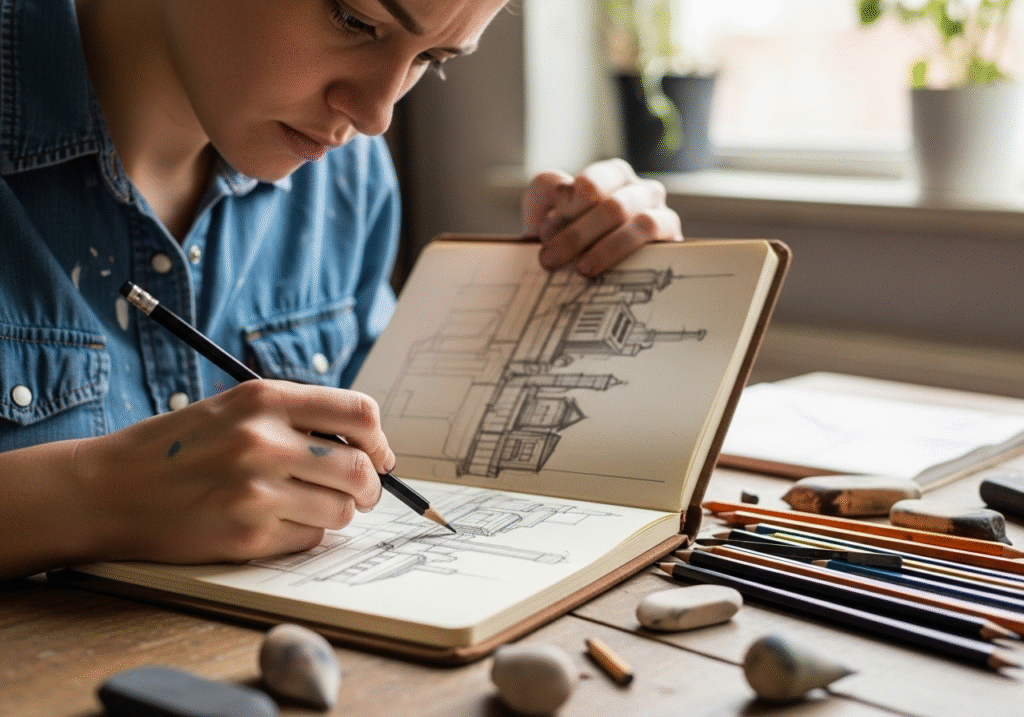
Building a daily sketching habit is an investment in your artistic growth. By setting realistic goals, finding your time, and embracing imperfection, you can cultivate a consistent routine that boosts your confidence and hones your skills. Remember, the most important thing is to start and to keep going. Every sketch, no matter how small, brings you closer to your artistic potential. So grab your sketchbook and start sketching today!
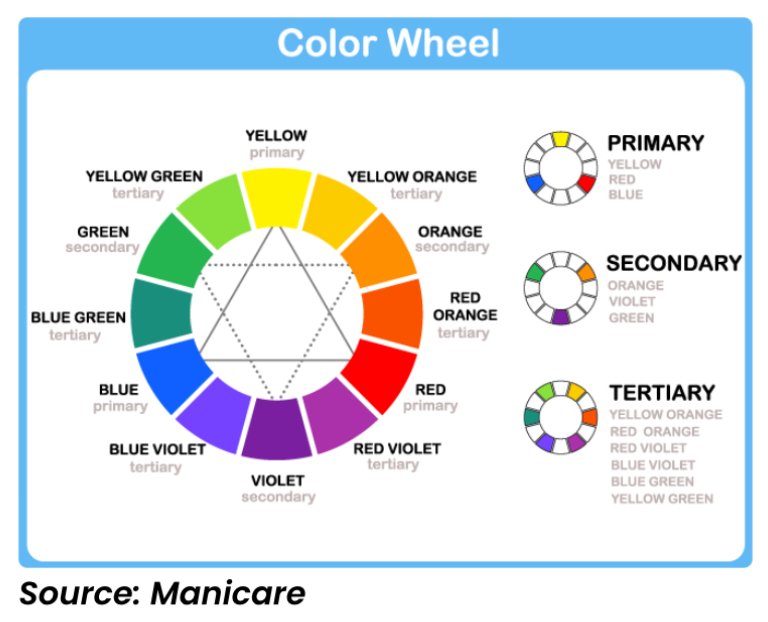
Mastering color mixing in oil painting is a journey that requires patience, practice, and a solid understanding of color theory. You can unlock a world of vibrant and harmonious colors in your art by understanding primary, secondary, and tertiary colors, the color wheel, warm vs. cool colors, and employing effective mixing and blending techniques. Experiment, explore, and embrace the beauty of color!
Is your child bursting with creativity? Do they constantly tinker, invent, and reimagine the world around them? As parents and educators, nurturing these talents early is crucial. Introducing design thinking from Class 8 onwards can unlock a world of opportunities and shape fulfilling future careers.
Art isn’t just for the ‘talented’—it’s for everyone! Discover 10 powerful reasons why learning art benefits mental health, brain function, creativity, and more, no matter your age. Whether you’re 8 or 80, it’s never too late to pick up a brush and start creating!”
Preparing for design and architecture entrance exams is a challenging but rewarding journey. By focusing on developing your creative ability, practicing consistently, and staying curious, you can significantly increase your chances of success
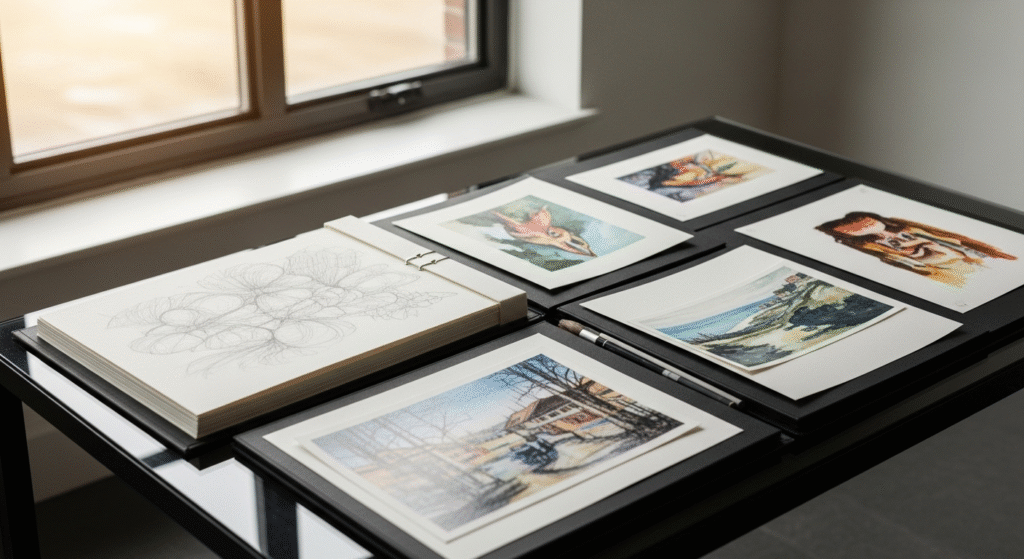
Your portfolio isn’t just about getting into college—it’s about proving to yourself what you’re capable of. Start today, embrace the messy middle, and remember: every Picasso started with a single sketch.
Trends from past NID DAT papers reveal one thing: originality and clarity matter more than flashy art. NID is looking for thinkers who can sketch their ideas swiftly, smartly, and creatively. Make sure to practice strategically—build a schedule around these techniques, and observe the world like a designer.
With the right preparation and mindset, your NID journey can turn from daunting to delightful!
Visualization is not just a skill—it’s the language of architects. Mastering these five areas will not only help you crack NATA, but also prepare you for a creative journey in design. The more you observe, imagine, and draw, the stronger your visualization power becomes.
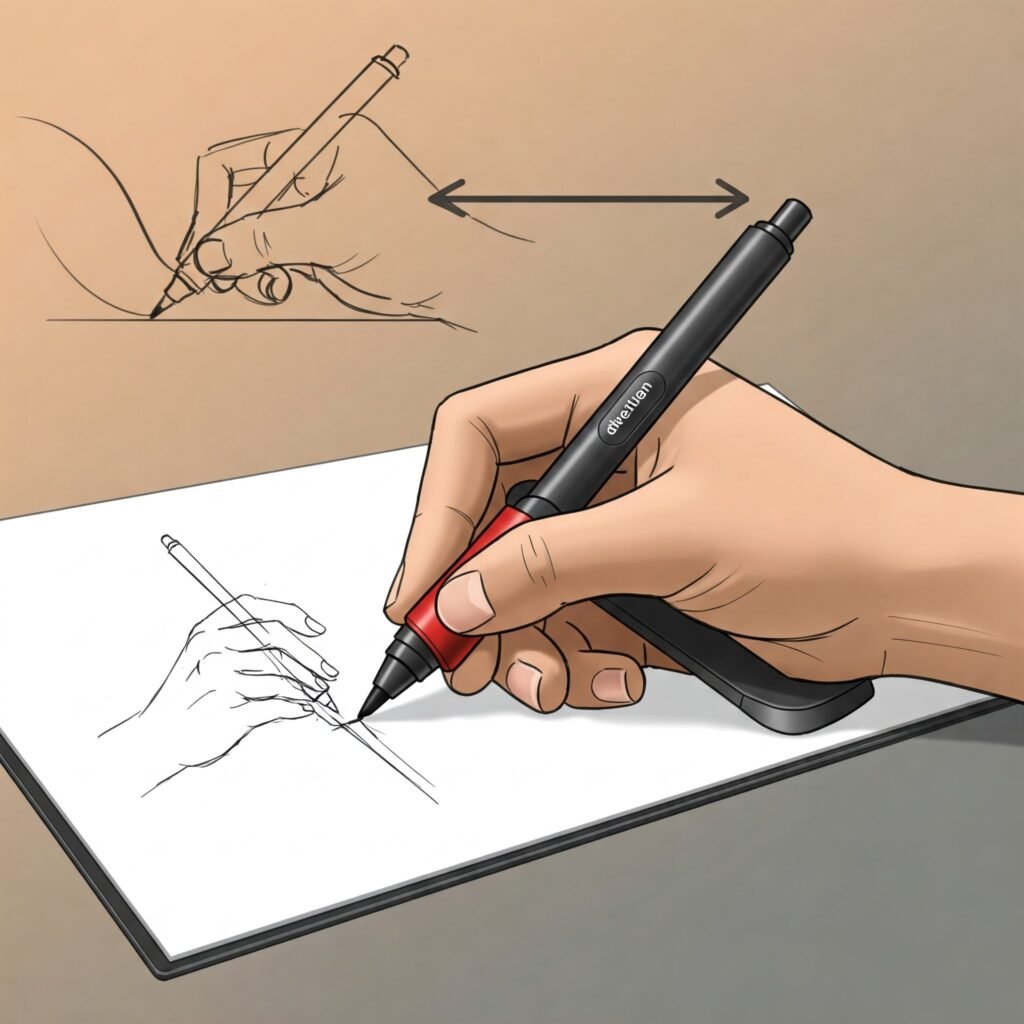
Want to crack NID DAT? It’s not just about drawing—it’s about thinking like a designer. This blog explores 5 powerful ways to boost your creativity, visual storytelling, and observation skills to stand out in the design entrance crowd. Packed with practical tips, exercises, and mindset shifts to help you ace the exam with confidence!